Why studying feels so hard — and the simple ladder trick that fixes it


Your brain isn't lazy. It's just trying to save power. Here's how to work with it instead of against it.
You open your textbook, stare at the first page, and five minutes later you're watching reels. Sound familiar? You're not alone — and more importantly, it's not your fault.
The real reason you avoid studying has nothing to do with laziness or lack of willpower. It's actually your brain doing exactly what it's designed to do: conserve energy.
Your brain runs on a tight energy budget
The human brain is one of the most energy-hungry organs in the body — even when you're just sitting and resting. Research published in Current Opinion in Neurobiology shows just how much your brain is always working behind the scenes.
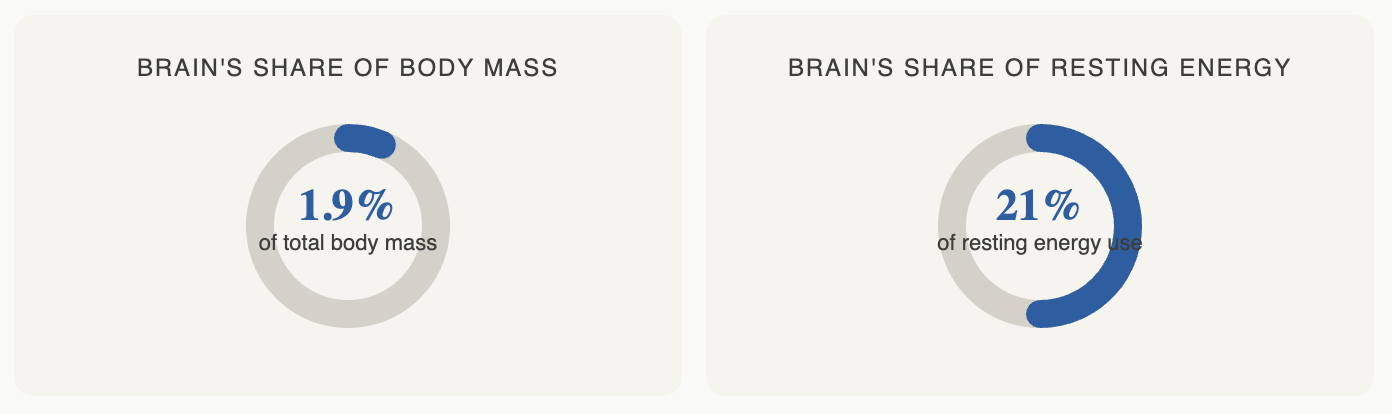
Think about that for a second. Your brain makes up just about 2% of your body weight, yet it consumes roughly 20% of all the energy your body uses — even when you're doing nothing.
When you look at a thick chapter and think "I don't want to study this," your brain isn't being dramatic. It genuinely detects a high-energy task ahead and hits the brakes — steering you toward something easier, like scrolling your phone.
This response is called an "energy-saving mode." It's the same instinct that kept our ancestors from wasting calories on things that weren't urgent. The problem is, your brain can't tell the difference between "unnecessary effort" and "important exam preparation."
So what's the solution? You don't fight this instinct — you work around it.
Introducing the Ladder Method
The Ladder Method is a simple way to study that tricks your brain into staying engaged. Instead of jumping straight into the hardest parts, you climb the material step by step — starting so easy that your brain doesn't resist.
Each step (or "rung") of the ladder is small and manageable. By the time you reach the harder stuff, you've already built enough understanding that it doesn't feel scary anymore.
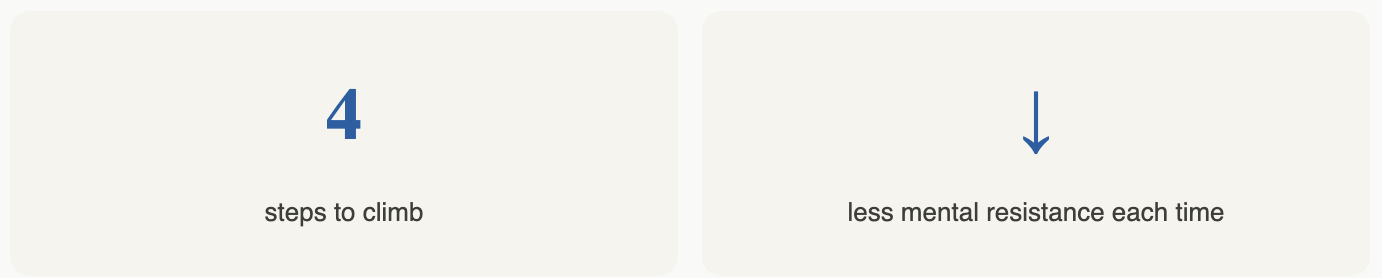
How to use the Ladder Method — step by step
- Start with what already feels familiar
Skim through the material and pick out things you already know a little bit, or concepts that feel intuitive. Don't force the hard parts yet. This first pass is just about warming up your brain without triggering its alarm bells.
- Sort and organise as you go
As you read the easy parts, start mentally (or physically) putting things into groups and categories. Think of it like creating folders in your brain. When information is organised, it takes far less effort to hold onto it — and it becomes a solid base for everything you learn next.
- Step up to slightly harder concepts
Once the easy material feels settled, go a little deeper. Because you've already built a scaffold of understanding, your brain can now "slot in" more complex ideas without getting overwhelmed. It's the difference between adding a room to a house (easy) versus building a house on sand (hard).
- Repeat and refine
Keep climbing. Each new rung feels roughly the same effort as the last one — because you're always building on what you already know. Over time, you'll cover the entire topic without ever feeling like you're drowning in it.
Why this actually works
The magic of the Ladder Method is that it keeps the difficulty level just low enough that your brain never sounds the "too hard, stop now" alarm.
Traditional studying feels like jumping off a cliff. The Ladder Method feels like walking upstairs. The destination is the same — you end up at the top — but one of them doesn't leave you exhausted and afraid on the first step.
Over time, this approach also trains your brain to associate studying with progress instead of dread. You stop procrastinating not because you've forced yourself to — but because the task genuinely feels less scary every time you begin.
Pro tip — use it beyond textbooks
The Ladder Method works for any complex task: writing an assignment, preparing a project, or even clearing a to-do list. Start with the easiest sub-task, build a rough structure, then gradually go deeper. Same effort, every step of the way.
A quick example
Say you need to study human digestion for a biology exam. Instead of reading the chapter from start to finish, try this:
First, skim through and note the parts you already know — like the names of organs (mouth, stomach, intestines). Then group them roughly: organs that break food down, organs that absorb nutrients. Next, dig into how each organ actually works, using your earlier groupings as a frame. Finally, read about the chemistry — enzymes, acids — and slot those details into the framework you've built.
You've covered the same material, but your brain processed it in layers instead of all at once. The difference in how it feels is enormous.
"Start small, keep it easy, and watch how much more you remember."
Your brain is not the enemy. It's just trying to protect you. The Ladder Method lets you study smarter by respecting that — and using it to your advantage.
Next time you feel stuck before even beginning, don't try to force yourself through the hard stuff. Find the easiest rung. Put your foot on it. That's all you need to do first.
Source: Padamsey, Z., & Rochefort, N. L. (2023). Paying the brain's energy bill. Current Opinion in Neurobiology, 78, 102668.